Self-Care on Placement: Navigating the Transition from University to Practice
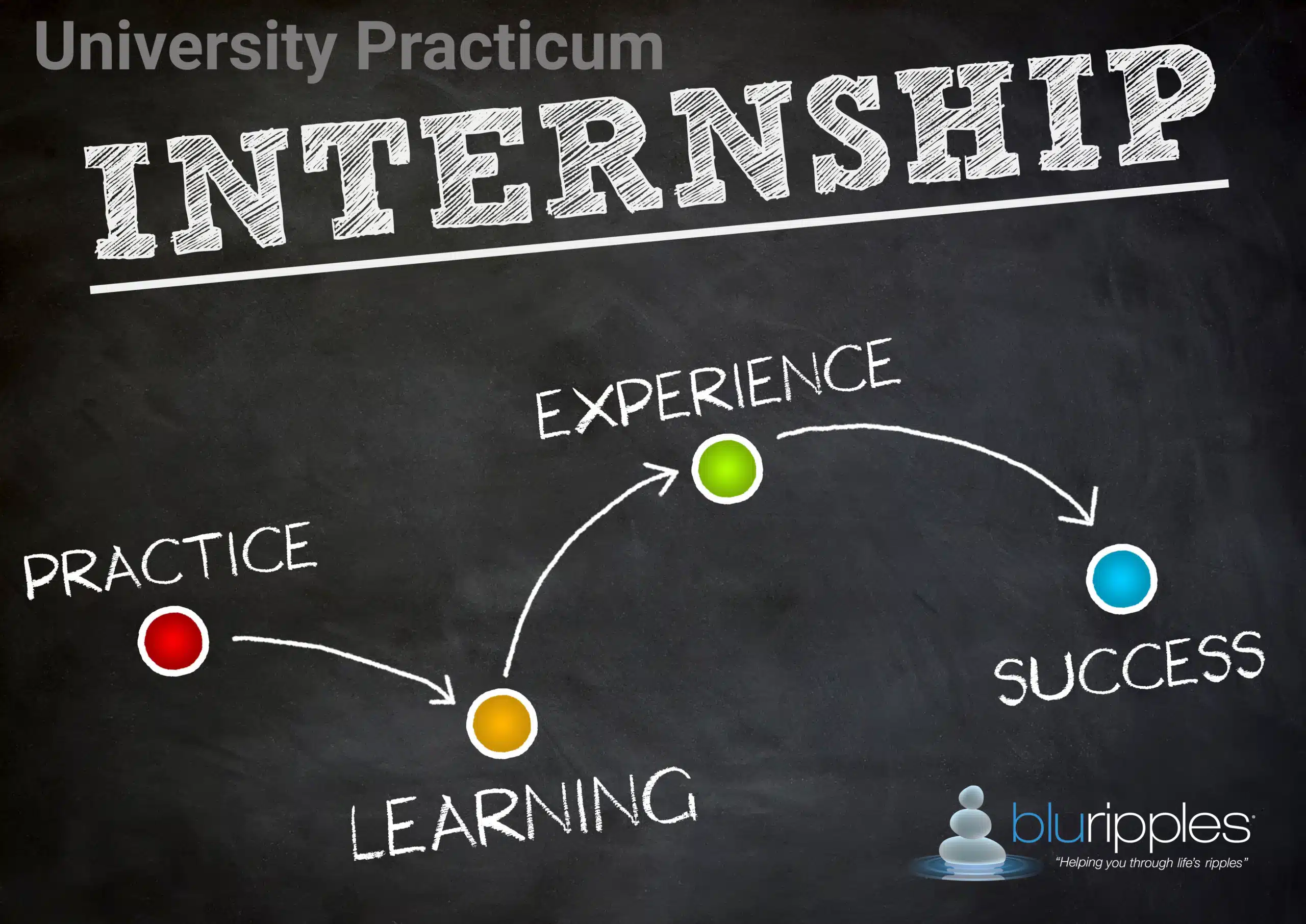
Commencing a professional placement is an exciting milestone. It represents the transition from academic theory to real-world application—a space rich with opportunities for professional growth and development.
However, navigating the gap between university learning and the operational expectations of a new workplace system can bring an unexpected layer of pressure and uncertainty. Add to the mix previous professional or life experiences in other industries, and navigating placement can feel even more complex and confusing. Processing new systems, meeting new people, retaining vast amounts of information, and meeting both self-imposed and external expectations can easily trigger stress or feelings of imposter syndrome.
If you are navigating this transition, remember to take a moment to breathe, ground yourself, and reset. You are capable, and you will adapt—believe in yourself.
Drawing on the shared experiences of the placement journey, here are nine reinforced strategies to support your well-being, focus, and self-care:
9 Self-Care Strategies
- Lean into Your Support Systems: Reach out to your trusted network. This includes mentors, peers, loved ones, university placement teams, lecturers, or professional counselling support services. You do not have to walk this path in isolation.
- Cultivate the Courage to Ask Questions: If a concept isn’t clicking or an explanation feels overwhelming due to information overload, seek out diverse perspectives or alternative explanations. It takes professional courage to ask for clarity; doing so is a sign of engagement, not a lack of capacity or incompetence.
Manage the Sensory Environment: The quiet of a professional office can offer great focus, but a solitary environment can also feel quite stark compared to a buzzing campus or online learning community. Where appropriate, utilise focus tools—such as listening to Hertz or Binaural beats or calming soundscape music through earphones—to help regulate your nervous system and maintain steady concentration.
Advocate for Your Learning Style: We all learn and process information differently. Identify your learning style preferences and needs, and express them professionally if you feel safe and comfortable to do so. Write notes, request practical demonstrations or for someone to sit beside you and go through the procedure, and allow yourself the space to process tasks. Sometimes, all your brain needs is a little time to clear the cobwebs, let the pieces fit into place, and the new neurotransmitter pathways to establish and connect—this takes time. So give yourself some grace; as the old saying goes, Rome was not built in a day.
Dedicate Time for Active Reflection: Use your evenings or weekends to let your thoughts, emotions, and experiences surface from the subconscious. Writing these reflections down is a powerful way to process the week’s events and strategically map out your next steps.
Acknowledge Workplace and Generational Dynamics: Every workplace possesses its own cultural expectations and generational blends. Draw deeply on your unique life experiences and existing strengths to build adaptive, meaningful coping strategies that bridge these gaps.
Practice Intentional Reframing: When pressure builds, give yourself permission to step back, decompress, and reframe the situation. Viewing challenges through a lens of curiosity rather than criticism changes your internal narrative.
Focus on the Long-Term Destination: Remind yourself that placement is fundamentally a learning laboratory. The road may occasionally feel rockier or steeper than anticipated, but staying the course ensures you will reach your professional destination—don’t give up now!
Maintain Faith in Your Capabilities: You have earned your place here. Do not permit temporary self-doubts, critical feedback, or external workplace pressures to overshadow your cumulative achievements and knowledge. Trust your journey, let your unique capabilities shine, and remember: while others may have different opinions, it is what you believe about yourself that truly matters!

About The Author (2026)
Katherine Foster (CICA, CDAA, ACA Lvl 2, ASORC Student Member) is a Career Education and Development Specialist, Counsellor, and Self-Care Author at Blu Ripples. With over 23 years in private practice and 12 cumulative years in the corporate sector across Administration and HR, Katherine supports clients through everyday and complex life’s ripples, future employment planning, and career transitions.
Currently an emerging Rehabilitation Counsellor (Master of Rehabilitation Counselling, Griffith University) and a two-time recipient of the Griffith Award for Academic Excellence, Katherine is dedicated to integrating real-world experience, academic learnings, active listening, empathy, and psychometric assessments into her practice and self-care publications to facilitate personal and professional insights, growth, and evolution. By utilising trauma-informed and mental-health informed frameworks, and an integrative, holistic, and person-centred approach, she enhances career exploration, decision-making, career management, and sustainable wellbeing outcomes.
Copyright 2026 Katherine Foster. All Rights Reserved